Allergies can make children uncomfortable and interfere with sleep, school, outdoor activities, and everyday life. At Celebration Pediatrics, our providers help families identify and manage common allergy symptoms so children can feel better and get back to the activities they enjoy.
From seasonal allergies and environmental sensitivities to reactions to foods or insect stings, our pediatric team can evaluate your child’s symptoms and help determine the appropriate next steps.
Our approach focuses on your child’s individual symptoms, medical history, age, and overall health to provide personalized, family-centered pediatric care.
Allergy Symptoms vs. a Cold
It isn’t always easy to tell the difference between allergies and a cold.
Both can cause:
However, allergies are often associated with itchy eyes, an itchy nose, repeated sneezing, and symptoms that persist or occur around specific triggers.
Colds are caused by infections and may be accompanied by symptoms such as fever, fatigue, or body aches.
If you’re unsure what is causing your child’s symptoms, a pediatric visit can help determine the appropriate next step.

What Are Allergies?
An allergy occurs when the body’s immune system reacts to a substance that is usually harmless to most people. These substances are called allergens.
Children can develop allergies at different ages, and symptoms can vary considerably from one child to another.
Common allergens include:
Florida’s warm climate and year-round outdoor activities can also mean that some children experience allergy symptoms during more than one season.
Allergy symptoms can affect different parts of the body. Depending on the type of allergy, your child may experience:
Some allergy symptoms can look similar to a cold or other childhood illness. If symptoms are persistent, recurring, or seem to follow a particular pattern, talk with your child’s pediatrician.
Seasonal allergies can occur when a child’s immune system reacts to pollen from trees, grasses, or weeds.
Children with seasonal allergies may experience:
Unlike a typical cold, allergy symptoms may continue or return when your child is exposed to the allergen.
Children may also react to allergens found inside or around the home, including:
Identifying patterns in your child’s symptoms can help your pediatric provider determine whether environmental allergies may be contributing to their discomfort.
Food allergies occur when the immune system reacts to a specific food.
Symptoms can vary from mild to severe and may include hives, swelling, vomiting, or breathing difficulties.
If your child has a suspected food allergy, talk with their pediatric provider about the appropriate evaluation and next steps. Families should not eliminate major foods from a child’s diet without appropriate medical guidance, particularly when doing so could affect nutrition and growth.
Some children experience significant allergic reactions to insect stings.
A localized reaction may cause pain, redness, itching, or swelling around the area of the sting. More serious allergic reactions can involve symptoms throughout the body.
Celebration Pediatrics can also provide parents with guidance about bee, spider, and tick bites and the signs of a serious allergic reaction.
Consider scheduling an appointment if your child’s symptoms:
Your child’s pediatric provider can review the symptoms and help determine whether additional evaluation or treatment may be appropriate.
There isn’t one approach that works for every child. Your provider may begin by discussing:
Depending on your child’s symptoms and medical history, your pediatrician may recommend additional evaluation or referral to an allergy specialist.
Treatment depends on the type and severity of your child’s allergies.
Your child’s individualized care plan may include:
Avoiding Known Triggers
When a specific allergen has been identified, reducing your child’s exposure may help decrease symptoms.
For example, families may be able to reduce exposure to certain environmental allergens by keeping living spaces clean, addressing moisture and mold concerns, or taking steps to reduce exposure to known triggers.
Medication
Depending on the type of allergy and your child’s age, your pediatric provider may recommend medication to help manage symptoms.
Medications should be used according to your child’s healthcare provider’s recommendations and age-appropriate dosing instructions.
Monitoring Symptoms
Keeping track of when symptoms occur can help parents and providers identify potential patterns.
Consider noting:
What symptoms occur
When symptoms begin
Where your child was
What your child ate
Outdoor exposure
Exposure to pets or other potential allergens
How long symptoms lasted
This information can be helpful during your child’s appointment.
Referral to an Allergy Specialist
Some children may benefit from evaluation by an allergy specialist, particularly when symptoms are persistent, severe, difficult to identify, or involve suspected food or environmental allergies.
If a referral is appropriate, your child’s pediatric provider can help guide you through the next steps.

Allergies and Asthma
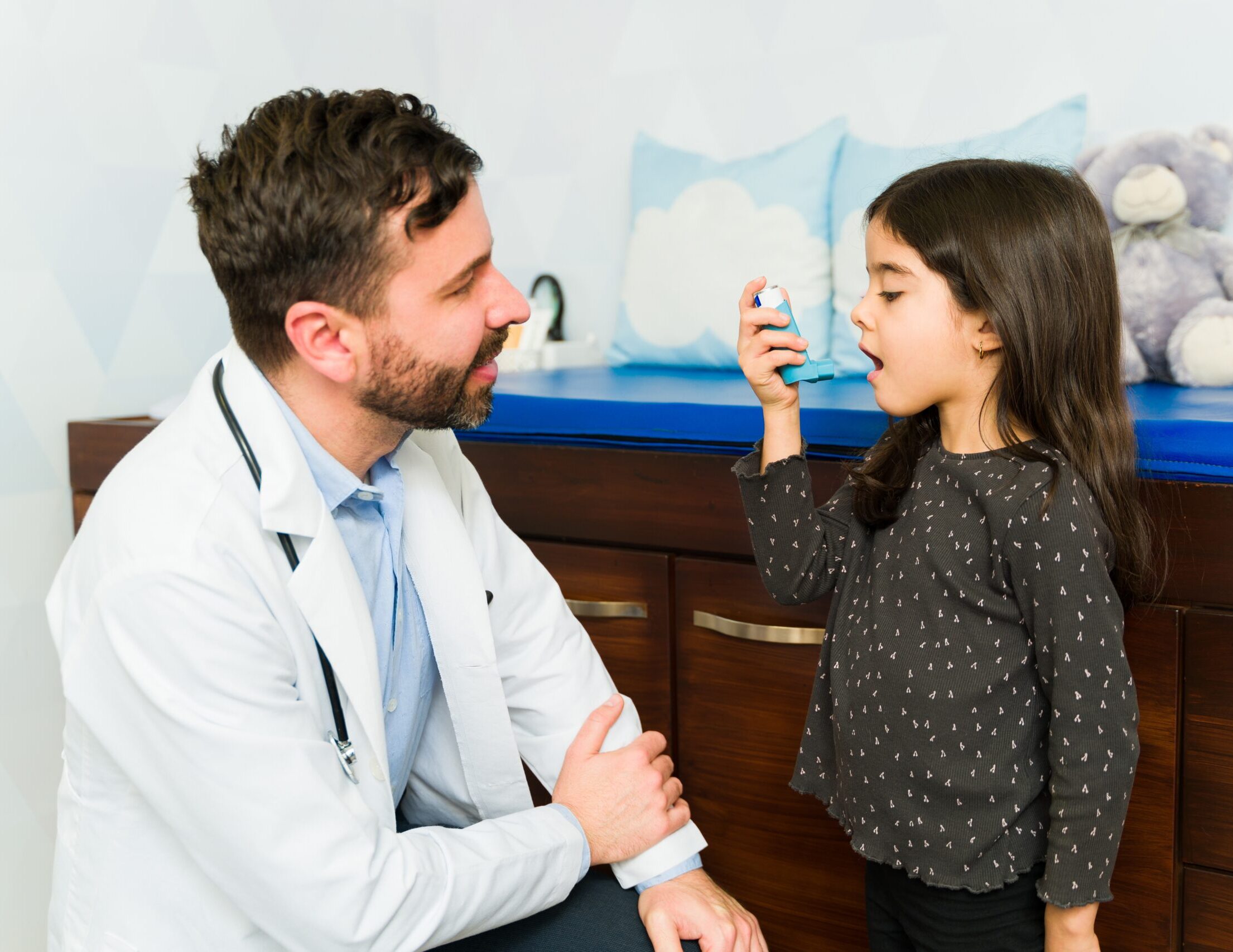
Allergies and asthma can sometimes occur together. Children with asthma may notice that exposure to certain allergens makes their respiratory symptoms worse.
If your child experiences both allergy symptoms and recurring coughing, wheezing, shortness of breath, or other breathing concerns, talk with their pediatric provider.
Celebration Pediatrics also provides Asthma Care for Children, allowing families to address their child’s respiratory health as part of their ongoing pediatric care.
Some allergic reactions can become medical emergencies.
Call 911 or seek emergency medical care immediately if your child develops signs of a severe allergic reaction, such as:
If your child has been prescribed emergency medication for a known severe allergy, follow the emergency action plan provided by your child’s healthcare provider.
At Celebration Pediatrics, we partner with parents to understand their child’s symptoms, address concerns, and provide personalized pediatric care. Our providers care for children from infancy through adolescence and are here to support your family as your child’s health needs change.
Celebration Pediatrics provides comprehensive pediatric care at four convenient Central Florida locations:
Compassionate Allergy Care for Children
Allergies don’t have to keep your child from enjoying childhood. If your child is experiencing persistent, recurring, or concerning allergy symptoms, our pediatric team is here to help.
Schedule an appointment with Celebration Pediatrics to discuss your child’s allergy symptoms and treatment options.
Call us at (407) 566-9700.





Copyright © 2026 Celebration Pediatrics