Every child is unique, and children with attention or behavioral concerns may need individualized support to help them thrive at home, at school, and in their everyday lives.
At Celebration Pediatrics, our pediatric providers work with children and their families to evaluate attention, behavior, and developmental concerns and determine an appropriate plan of care. Whether your child is having difficulty staying focused, managing impulsive behavior, completing schoolwork, or navigating everyday activities, our team is here to listen and help.
Our goal is to provide personalized, family-centered ADHD care that considers your child’s health, development, environment, and individual needs.
Attention-deficit/hyperactivity disorder (ADHD) is a common neurodevelopmental condition that can affect a child’s ability to pay attention, manage impulses, regulate activity levels, and complete tasks.
ADHD can look different from one child to another. Some children primarily experience difficulty with attention, while others may experience hyperactivity and impulsivity. Some children experience a combination of symptoms.

Signs that may be associated with ADHD can include:
These behaviors can occur for many reasons, and having one or more of these behaviors does not necessarily mean a child has ADHD. A pediatric provider can help determine whether further evaluation may be appropriate.
ADHD Treatment for Children
ADHD treatment is not the same for every child. Treatment recommendations depend on the child’s age, symptoms, overall health, developmental needs, and how significantly symptoms are affecting daily life.
A child’s treatment plan may include one or more approaches, such as:
Behavioral strategies can help children develop skills for organization, routines, attention, and managing behaviors. Parents and caregivers may also benefit from strategies designed to support positive behaviors at home.
Children with attention or behavioral challenges may benefit from working with their school to identify appropriate educational and behavioral supports.
For some children, medication may be an appropriate part of an ADHD treatment plan. When medication is considered, your pediatric provider will discuss potential benefits, risks, side effects, and monitoring requirements with you. Medication decisions should always be individualized to the child.
ADHD care doesn’t end after an initial evaluation or treatment decision. Regular follow-up allows your pediatric provider to monitor your child’s progress, discuss concerns, and make adjustments when appropriate.
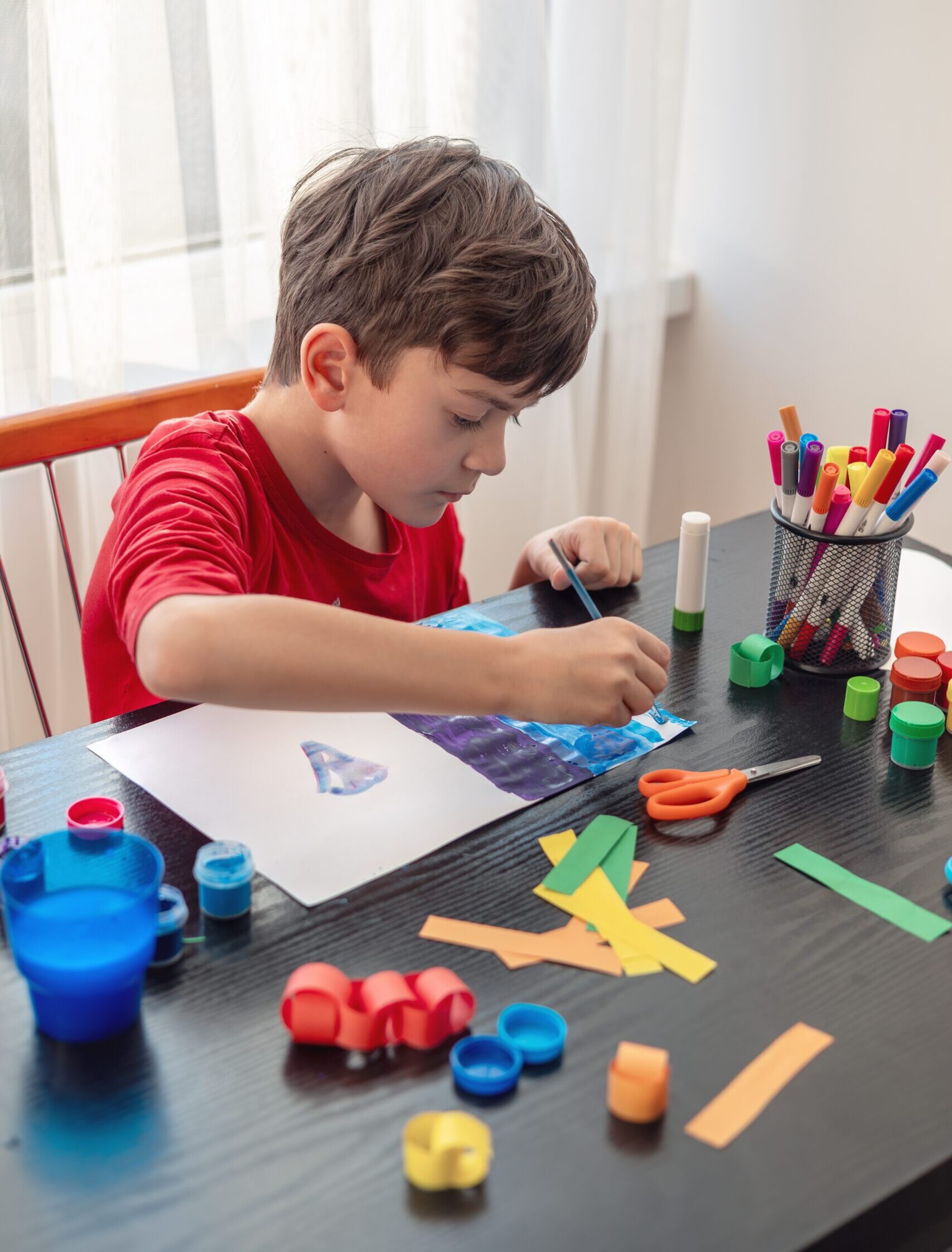
Parents play an important role in understanding and supporting a child with ADHD.
At Celebration Pediatrics, we encourage open communication between parents, children, healthcare providers, and—when appropriate—teachers and other members of the child’s support team.
Together, we can work toward strategies that help your child feel supported and successful.
Children with ADHD can thrive when they have the right support and resources. Rather than focusing only on challenges, we believe it is important to recognize your child’s strengths, interests, personality, and individual needs.
Our pediatric providers are here to help families understand their child’s behavior, identify areas where additional support may be helpful, and develop an individualized approach to care.
If you’re worried about your child, don’t hesitate to contact our office at (407) 566-9700.
Signs may include difficulty paying attention, impulsivity, hyperactivity, forgetfulness, disorganization, difficulty following instructions, or challenges completing tasks. Symptoms can vary significantly from child to child.
ADHD is diagnosed through a comprehensive evaluation rather than a single medical test. Your pediatric provider may gather information from parents, teachers, caregivers, and other sources to understand your child’s symptoms and how they affect daily life.
Not necessarily. Treatment depends on your child’s individual needs. Some children may benefit from behavioral interventions, school-based support, medication, or a combination of approaches. Your pediatric provider can discuss appropriate options with you.
ADHD symptoms and how they affect a child can change over time. Ongoing follow-up allows providers and families to adjust strategies and treatment as a child’s needs develop.
Teachers can provide helpful information about your child’s behavior and attention in the classroom. With appropriate communication and your consent, information from school can be an important part of understanding your child’s needs.
If you have concerns about your child’s attention, behavior, school performance, or development, you don’t have to figure it out alone.
Celebration Pediatrics provides personalized pediatric care for children and adolescents at convenient locations throughout Central Florida:
Schedule an Appointment
Concerned that your child may be experiencing symptoms of ADHD?
Schedule an appointment with Celebration Pediatrics to discuss your child’s attention, behavior, and developmental needs.
Call us at (407) 566-9700.








Copyright © 2026 Celebration Pediatrics